The ultimate window cleaning guide
Published 2025.08.12
Get your window cleaning kit ready before you start
Before you begin, it’s important to have the right gear on hand. Here’s what you’ll need:
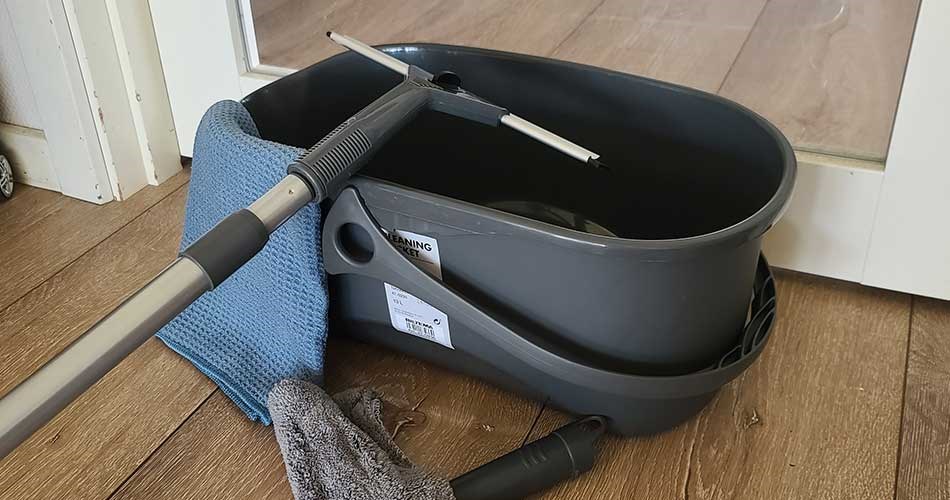
- First up, grab yourself a solid, durable bucket. It makes it easy to carry your water and soap mix around as you work. The bucket should be big enough to hold plenty of water, but still light and easy to move from place to place.
- You’ll also need a standard window squeegee. This little tool makes all the difference when it comes to avoiding streaks. Choose a good-quality squeegee with a firm rubber blade. That’s key for a smooth finish.
- Next, get yourself a washer. This helps you apply the soapy water to the windows properly. If you don’t have one, a soft brush (like a car wash brush) or sponge will do the trick too.
- Last but not least, have a tea towel or cloth ready. You’ll use it to wipe your squeegee between strokes.
The right equipment makes the job quicker, easier and leaves your windows looking spotless.
What to use for window cleaning
There’s more than one way to get your windows clean. You can go with a traditional window cleaning solution, or mix up your own DIY version at home. And here’s something you might not know: the type of water you use can actually make a difference.
Cleaning products for window cleaning
There are lots of different products out there for window cleaning but some work better than others. Just make sure to avoid anything abrasive or powder-based, as these can scratch the glass.
Make your own window cleaning mix
You don’t have to stick to traditional cleaning products. A homemade solution can give your windows a brilliant, streak-free shine – and it’s easy to make. Here’s what you’ll need:
- Water
- Washing-up liquid
- Ammonia (salmiak spirit)
You can play around with the amounts, but a good rule of thumb is 1 tablespoon of washing-up liquid and a small splash of ammonia per 5 litres of water. This DIY mix is usually cheaper than store-bought cleaners and often gentler on your windows too.
Use the right type of water for window cleaning
Did you know the type of water you use can actually affect the result? Tap water often contains limescale and other minerals that can leave streaks or marks on your windows after cleaning. Luckily, there are a few easy fixes.
One option is to use water from a rain barrel. Rainwater is naturally soft and free from the minerals that cause streaks. Another option is to use water collected from a condenser tumble dryer – this water is also soft and ideal for cleaning windows.
If you’re using tap water, add around 100 ml of household vinegar to your mix. The vinegar binds the minerals in the water and helps prevent streaks and marks on the glass.
Master your window cleaning technique
Window cleaning is a bit of an art and the right technique is just as important as the tools you use. We’ve put together a few handy tips to help you get started, so you can achieve a spotless, streak-free finish every time.
How to avoid streaks on your windows
Nobody wants streaky windows as they ruin all your hard work. That’s why it’s so important to keep your squeegee in top condition. It’s your main tool for window cleaning, and a worn or dirty blade can easily leave marks behind. Wipe the squeegee with a clean cloth after each pass to remove dirt and soap residue – that’s the key to a flawless finish.
Clean very dirty windows twice
If your windows are especially dirty, it’s worth giving them two rounds of cleaning. It might sound like extra effort, but it’s often the only way to get them truly clean.
Start by thoroughly washing the glass with your soapy water mix. Use your washer or a soft brush to spread the solution evenly across the surface. Once done, remove the excess water with your squeegee. Then, go in for a second wash to lift any remaining dirt and soap. Finish with a careful final pass using the squeegee for a streak-free shine.
How to use a squeegee properly
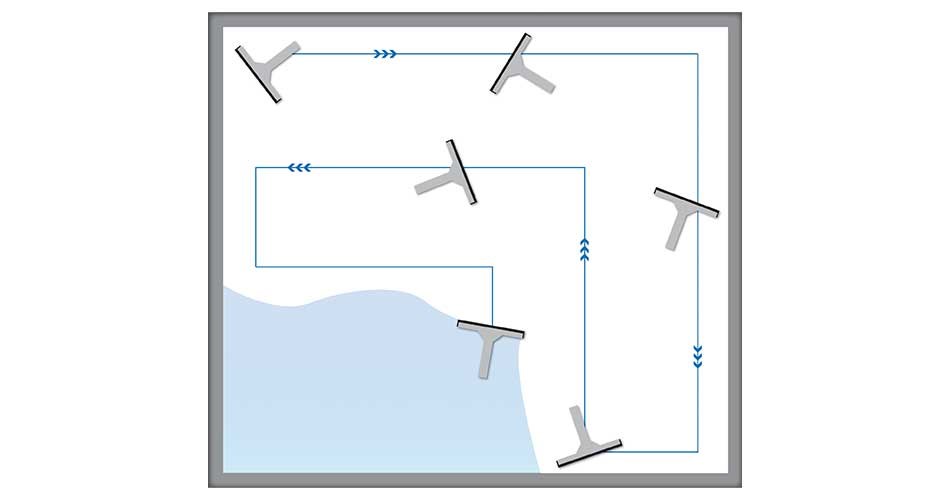
Using a squeegee takes a bit of practice. We recommend holding it at a 45-degree angle against the glass. Start at the top left corner of the window and pull the squeegee smoothly across in an S-shaped or zigzag motion. Make sure to slightly overlap each stroke – that’s the secret to a cleaner finish without streaks.
When and how often should you clean your windows?
Window cleaning is one of those jobs that’s easy to put off, but doing it regularly makes a big difference. If you leave it too long, dirt can build up on the glass, making it even harder to clean next time. As a general rule, it’s best to clean your windows at least twice a year – spring and autumn are good times to do it.
Weather matters too. Aim for a cloudy day as direct sunlight can cause the water to dry too fast and leave streaks. On very cold days, water might freeze on the glass which can also create problems.
Don’t forget the frames and sills
While you’re at it, don’t skip the window frames and sills. They can collect just as much dust and grime as the glass itself. For the best result, include them in your window cleaning routine. Luckily, it’s simple: just grab a cloth or microfibre towel, a bucket of warm water and some all-purpose cleaner, and you’re good to go.
Do your windows need cleaning on the inside too?
Indoor window cleaning is just as important as the outside. But how often should you actually do it?
As a general guideline, a couple of times a year should do the trick. However, this can vary depending on how much dust and dirt builds up. If you’ve got kids leaving fingerprints or pets pressing noses to the glass, you might need to clean them more frequently.
When it’s time to clean the inside, you can use the same method as you would outdoors. Or, if the windows aren’t too dirty, a spray-on glass cleaner might be all you need. It all depends on how deep a clean you're going for.
Don’t forget about safety when cleaning windows
Safety matters when cleaning your windows – especially when you’re cleaning at height. If you need to reach upper floors, a sturdy ladder is often a must. Make sure it’s set up on firm, level ground and positioned at a safe angle before you start.
If you live in a flat, you might also need a ladder to clean your windows. On higher floors, you may have to clean from inside, depending on how your windows open. In that case, extra care is essential.
To protect your hands, it’s a good idea to wear a pair of good gloves. That way, you avoid direct contact with cleaning products and hot water.